
Seasonal Strategies: Preparing Power Lines for Bird Migration


Understanding Bird Migration and Its Impact on Power Lines
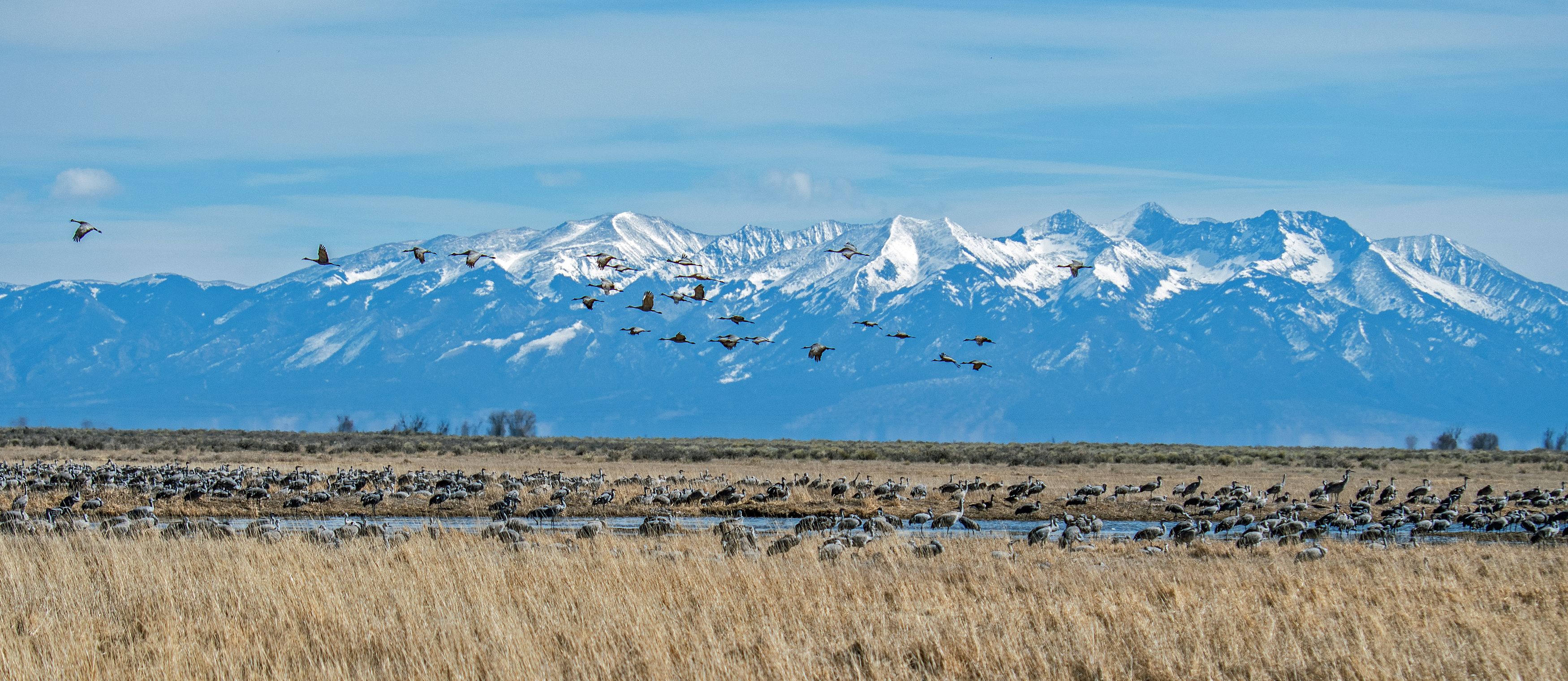
Every year, millions of birds embark on long migratory journeys, traveling thousands of miles between their breeding and wintering grounds. During these migrations, power lines pose a significant risk, causing both bird fatalities and power outages. Preparing power lines for bird migration can mitigate these risks and promote a safer environment for both birds and humans.
The Importance of Bird-Safe Power Lines
Bird collisions with power lines can lead to severe consequences. Not only do these incidents harm bird populations, but they can also result in costly power outages and equipment damage. By implementing bird-safe strategies, utility companies can play a crucial role in conservation efforts and enhance grid reliability.
Key Strategies for Bird-Proofing Power Lines
Several effective strategies can be employed to make power lines safer for migrating birds. These methods focus on increasing the visibility of power lines and preventing perching and nesting in dangerous areas.
Increasing Line Visibility
One of the most effective ways to prevent bird collisions is to increase the visibility of power lines. This can be achieved by installing bird flight diverters, which are devices that help birds see and avoid wires. Diverters come in various shapes and colors, such as spirals, flappers, and markers.
- Spirals: These are placed along the length of the wire and are particularly effective in low-light conditions.
- Flappers: These move with the wind, catching birds' attention and alerting them to the presence of power lines.
- Markers: These are reflective devices that enhance visibility during both day and night.
Preventing Perching and Nesting
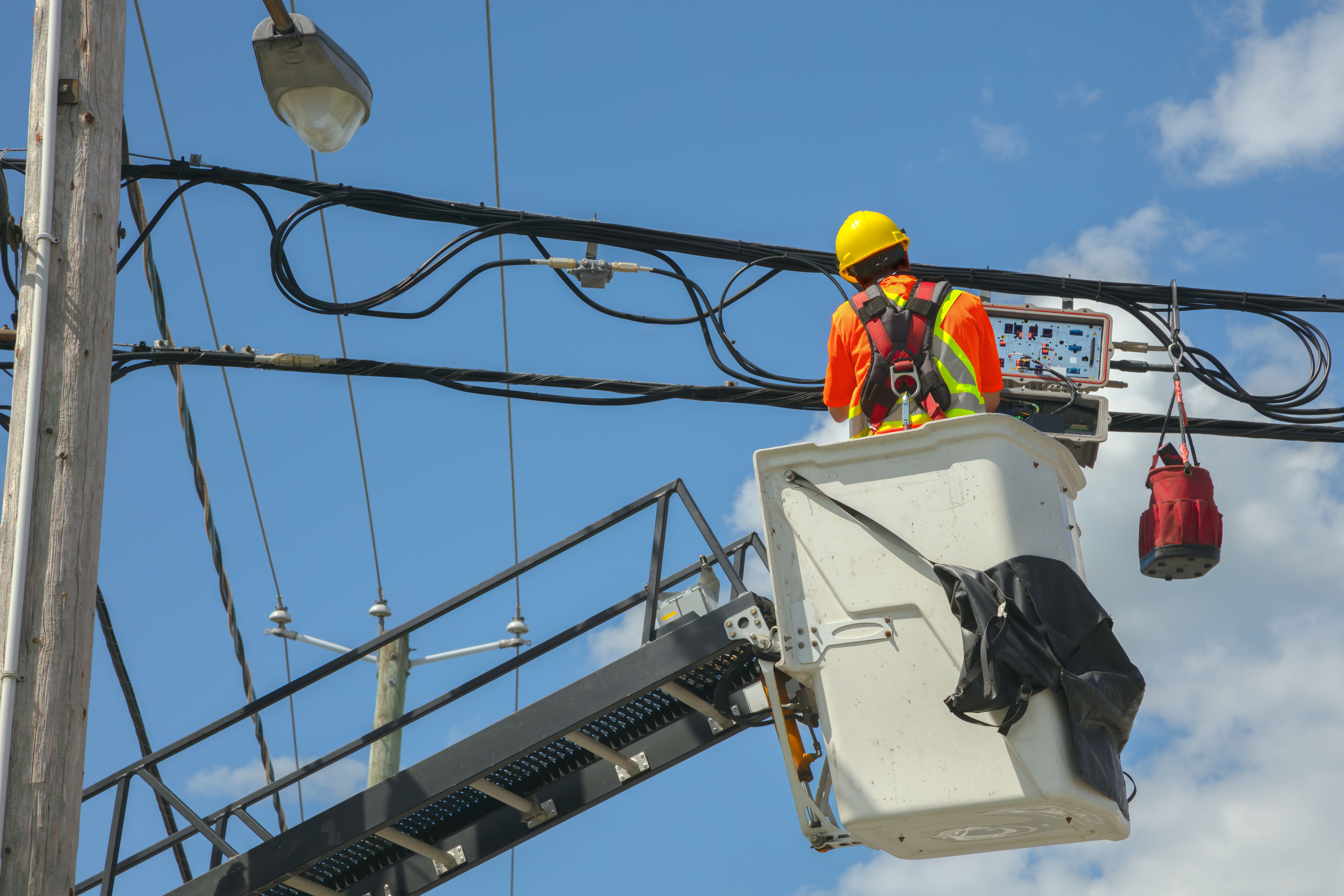
Birds often use power structures for perching and nesting, which can lead to dangerous interactions with power lines. Installing anti-perching devices such as spikes or angled surfaces can discourage birds from settling on power poles and towers.
Additionally, nest management programs can be implemented to safely relocate nests from power structures to designated safe areas, ensuring the safety of both birds and electrical infrastructure.
Collaborating for Effective Solutions
Collaboration between utility companies, wildlife organizations, and government agencies is essential for developing and implementing successful bird protection strategies. By sharing research, resources, and expertise, these groups can create comprehensive plans tailored to specific regions and bird species.
Monitoring and Adjusting Strategies
Continuous monitoring and evaluation of implemented strategies are vital to ensure their effectiveness. By tracking bird interactions with power lines, utility companies can identify problem areas and adjust their approaches as needed. This adaptive management approach allows for ongoing improvements and helps address emerging challenges in bird conservation.
By investing in bird-safe power line strategies, utility companies not only contribute to conservation efforts but also enhance the reliability and safety of their services. As bird migration patterns continue to evolve, proactive measures will remain crucial in protecting these vital avian journeys.