
Myth-Busting Bird Diverters: Common Misconceptions and Facts


Understanding Bird Diverters
Bird diverters play a crucial role in protecting avian species from colliding with man-made structures such as power lines and wind turbines. Despite their importance, there are numerous misconceptions surrounding their effectiveness and design. This post aims to debunk some of these myths and provide clarity on the topic.
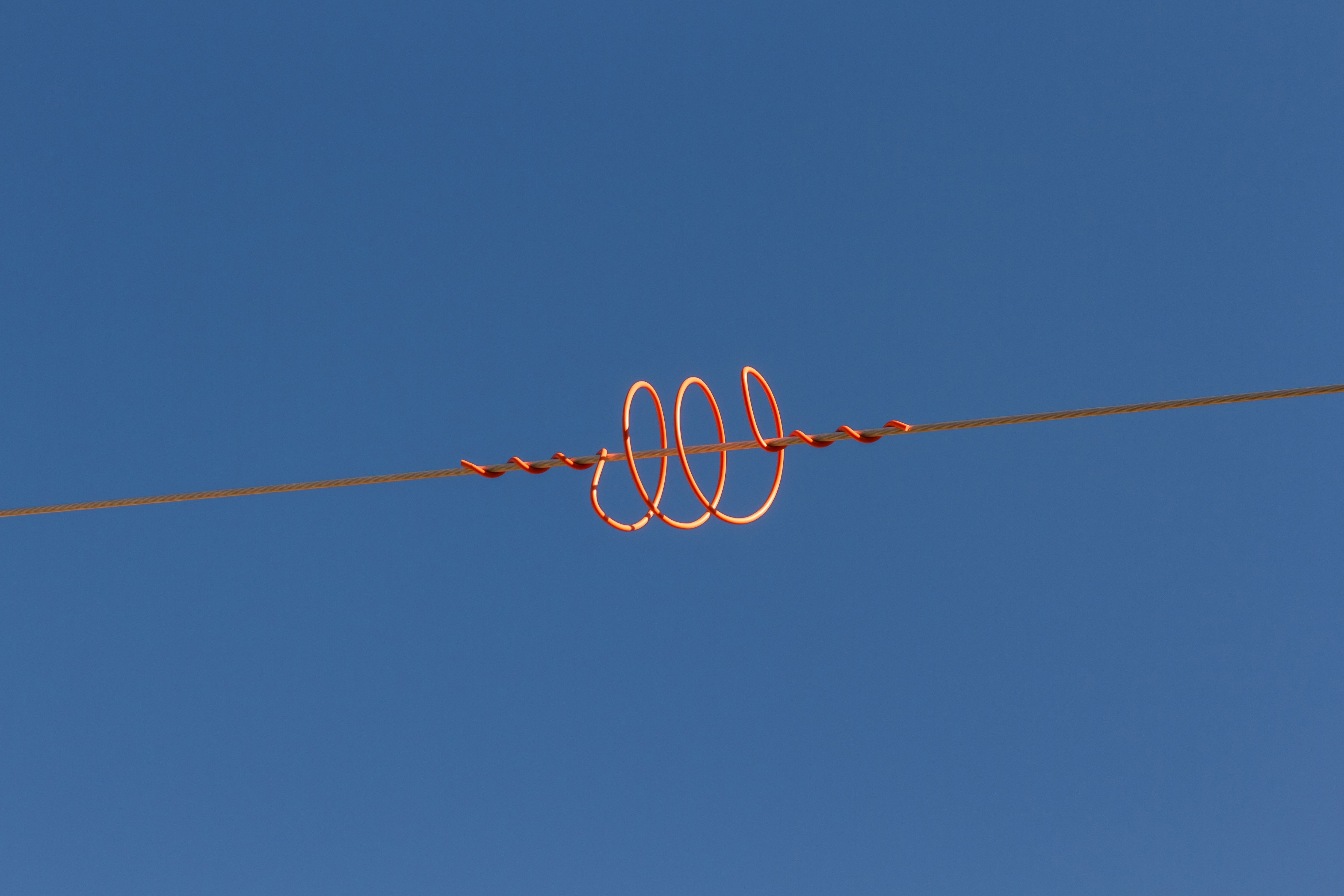
Myth: Bird Diverters Are Ineffective
One common misconception is that bird diverters do not work. The truth is that they are highly effective when placed correctly. Studies have shown that bird diverters can reduce avian collisions with power lines by up to 90%. This is achieved by increasing the visibility of the lines, helping birds avoid them.
Myth: All Bird Diverters Are the Same
Another myth is that all bird diverters have a uniform design and function. In reality, diverters come in various shapes, sizes, and materials, each tailored to specific environments and bird species. Some are designed to reflect light, while others may emit sound to deter birds. The choice of diverter depends heavily on the location and the types of birds in the area.

The Science Behind Bird Diverters
Bird diverters work on the principle of making power lines more visible to birds. Birds often fail to see these obstacles, especially during flight. By adding diverters, we create visual cues that alert birds to the presence of wires, allowing them to navigate safely.
Fact: Bird Diverters Are Environmentally Friendly
Some people believe that bird diverters may negatively impact the environment. However, they are designed to be eco-friendly. Most diverters are made from biodegradable or recyclable materials, ensuring that they do not contribute to environmental pollution.

Fact: Bird Diverters Are Cost-Effective
Installing bird diverters is often viewed as an expensive endeavor. However, when considering the long-term benefits, they are a cost-effective solution. By preventing bird collisions, they reduce maintenance costs and potential power outages caused by damaged infrastructure. This not only saves money but also promotes a safer ecosystem.
Conclusion
In summary, bird diverters are a vital tool in wildlife conservation, helping to protect bird populations from harmful collisions. By dispelling these myths, we can better appreciate their value and encourage their use in areas prone to avian accidents. Understanding the facts behind bird diverters allows us to make informed decisions that benefit both nature and human infrastructure.