
Comparing Bird Flight Diverters: Choosing the Right Solution for Your Needs


Understanding Bird Flight Diverters
Bird flight diverters are crucial tools for minimizing avian collisions with man-made structures like power lines, wind turbines, and tall buildings. These devices are designed to make these structures more visible to birds, reducing accidents and promoting bird conservation. With a variety of options available, choosing the right solution for your specific needs can be challenging.
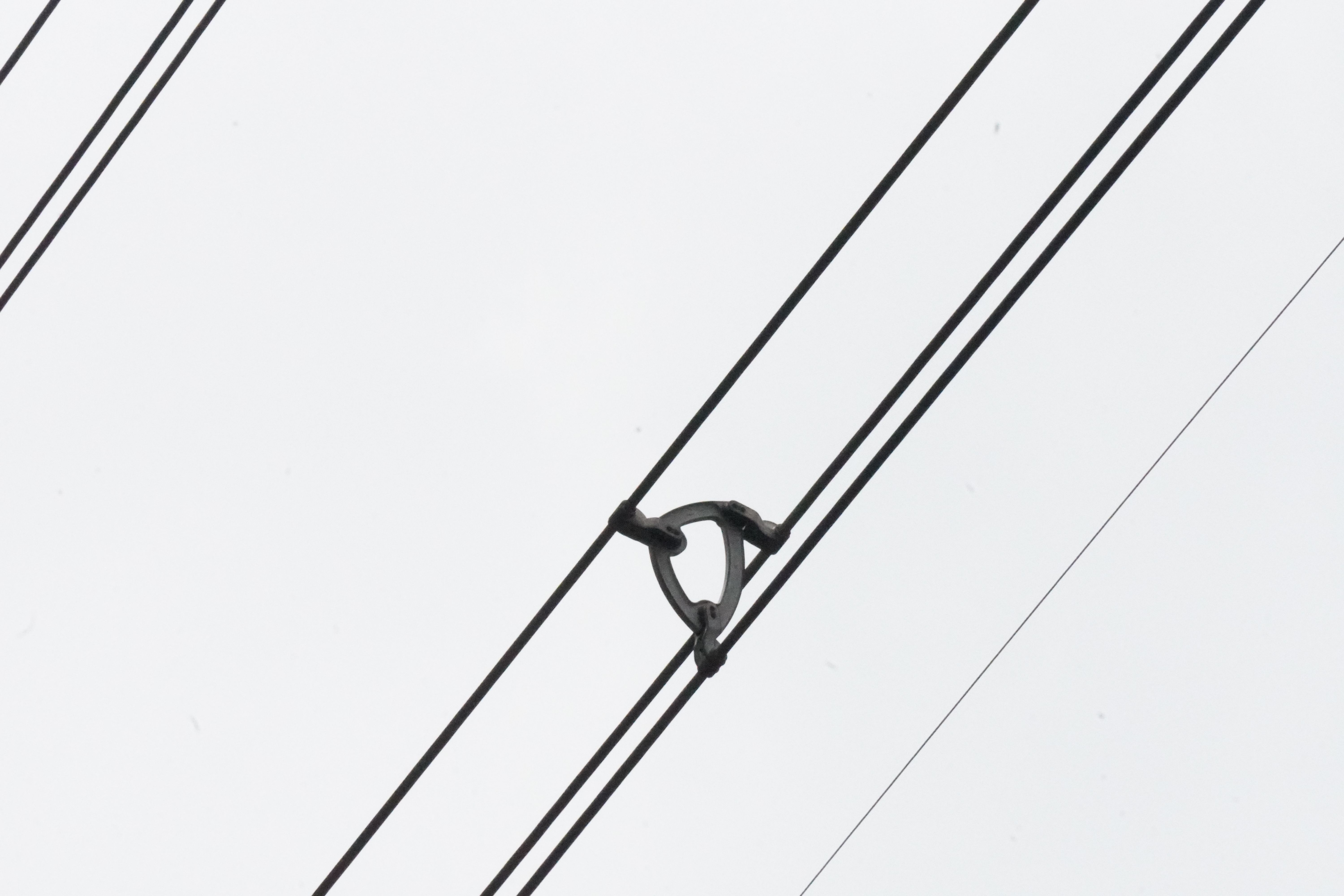
Types of Bird Flight Diverters
There are several types of bird flight diverters, each designed for different situations and environments. Some of the most common types include:
- Spiral Diverters: These are spiral-shaped devices that can be easily attached to power lines. Their shape and movement increase visibility.
- Swinging Markers: These diverters are suspended and move with the wind, attracting birds’ attention.
- Reflective Devices: These use reflective materials to catch sunlight, making them highly visible during the day.
Each type has its advantages and limitations, so understanding these can help you make an informed decision.
Factors to Consider When Choosing a Diverter
When selecting a bird flight diverter, it's essential to consider factors such as the environment, type of structure, and the species of birds in the area. Here are some critical considerations:
- Visibility: Ensure the diverter is highly visible to the bird species in your region.
- Durability: The materials should withstand various weather conditions.
- Ease of Installation: Choose a diverter that can be easily installed and maintained.
Comparing Costs and Effectiveness
The cost of bird flight diverters can vary significantly based on the type and material. While initial expenses are a factor, it's also vital to consider long-term benefits. Effective diverters can save costs related to bird collisions and potential legal liabilities, making them a worthwhile investment.
Studies have shown that certain diverters, like reflective and spiral types, have high success rates in reducing bird strikes. Balancing cost with effectiveness is key to selecting the right solution.
Environmental and Legal Considerations
Implementing bird flight diverters can have positive environmental impacts by reducing bird mortality rates. This aligns with conservation efforts and compliance with environmental regulations. In some regions, there might be legal requirements to install such devices on certain structures.

Choosing the appropriate bird flight diverter not only contributes to wildlife preservation but also aligns with corporate responsibility and sustainability goals.
Conclusion
Selecting the right bird flight diverter involves evaluating different types, understanding the needs of your specific environment, and considering both costs and legal obligations. By making an informed choice, you can contribute significantly to reducing avian collisions and promoting a harmonious coexistence between human structures and nature.