
Case Study: Successful Implementation of Bird Diverters in Delhi


Introduction to Bird Diverters
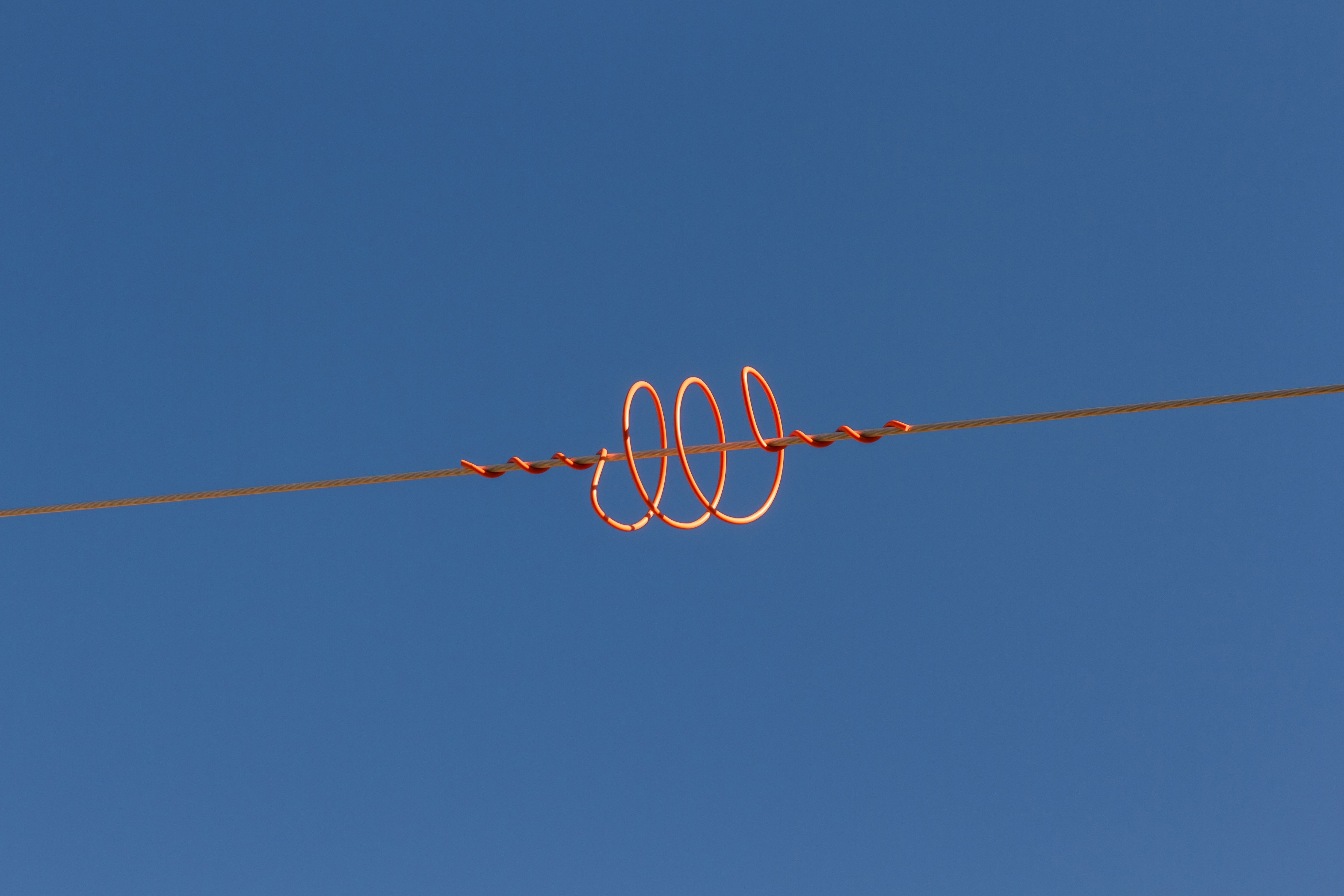
Bird diverters are innovative solutions designed to prevent bird collisions with man-made structures, particularly power lines and communication towers. These devices are crucial in urban areas where the risk of bird strikes is higher due to dense infrastructure. In Delhi, the successful implementation of bird diverters has become a noteworthy case study.
The Need for Bird Diverters in Delhi
Delhi, with its sprawling urban landscape, poses significant challenges for bird conservation. The city is home to a diverse bird population, including several migratory species. The increase in infrastructure has led to more bird collisions, resulting in injuries or fatalities. Implementing bird diverters has emerged as a necessary step to mitigate this issue.
Understanding the Impact
The impact of bird collisions extends beyond the loss of wildlife. It can lead to power outages and damage to infrastructure, which affect both the environment and human populations. The introduction of bird diverters aims to reduce these incidents and promote a harmonious coexistence between urban development and nature.
Implementation Strategy
The implementation of bird diverters in Delhi was carried out in collaboration with local authorities, environmental organizations, and community groups. The strategy involved:
- Identifying high-risk areas for bird collisions.
- Using data from previous studies to guide placement.
- Engaging with stakeholders to ensure comprehensive coverage.

Types of Bird Diverters Used
Various types of bird diverters were employed, including reflective devices and brightly colored markers. These diverters are designed to be easily visible to birds, helping them avoid collision paths. The choice of diverters was based on efficacy, durability, and cost-effectiveness.
Challenges Faced
Despite the successful outcome, the implementation process faced several challenges. These included logistical issues related to installing diverters in densely populated areas and ensuring maintenance. Overcoming these challenges required innovative solutions and strong collaboration between all parties involved.
Community Involvement
Community involvement played a crucial role in the success of the project. Local residents and businesses were engaged through awareness campaigns and educational programs. By fostering a sense of ownership and responsibility, the project gained widespread support and participation.
Results and Impact
The implementation of bird diverters in Delhi has led to a noticeable decrease in bird collisions. Power line-related bird deaths have significantly reduced, contributing to the conservation of local avian species. Additionally, the initiative has raised awareness about the importance of protecting urban wildlife.
Future Prospects
Looking ahead, the successful implementation in Delhi serves as a model for other cities facing similar challenges. There is potential to expand the use of bird diverters to other urban areas, enhancing the protection of bird populations on a larger scale. Continued monitoring and adaptation will be key to sustaining this success.